Core stability, why is it important?
What is 'core stability'?
Core stability has been defined by some as "The ability to control the position and motion of the trunk over
the pelvis to allow optimum production, transfer and control of force and motion to the terminal segment
in integrated athletic activities" (Kibler et al. 2006). In line with this definition, we often explain that the purpose of our core is to:
Which muscles make up your core?
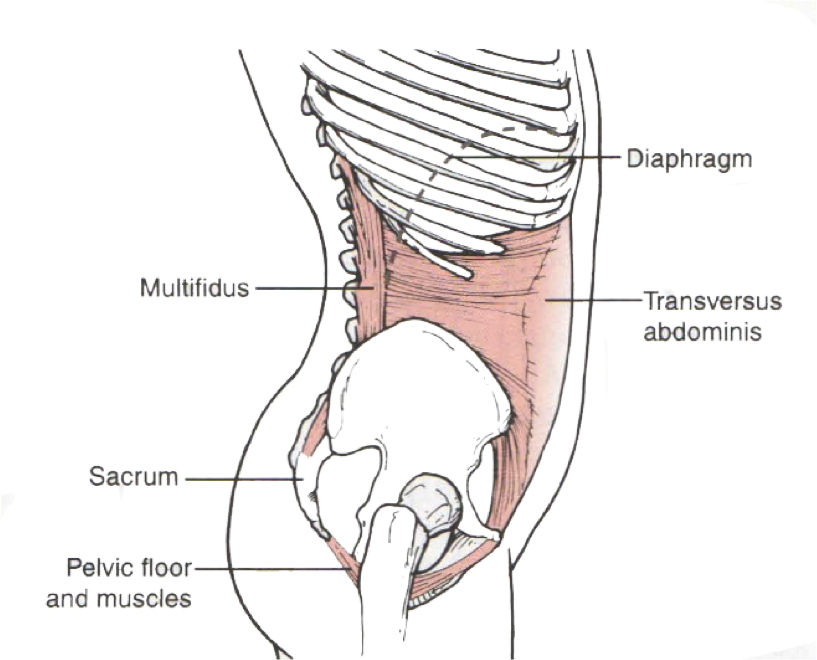
Up to 13 different muscles make up our 'core', not just the visible '6-pack' many strive for. These muscles can be grouped in terms of their location, and include:
Is core stability important?
Clinical experience from physiotherapists and fitness coaches around the world suggest core stability is very important! Being able to maintain control of the position of your trunk over your pelvis, as described above, is important in allowing efficient movement and thereby reducing your risk of injury. Scientific studies carried out over the past two decades investigating the role of the core muscles (specifically the Transversus Abdominis and Multifidus) also tend to confirm their importance in conditions like lower back pain and lower limb injury risk.
Are your core muscles weak?
Athletes should ensure appropriate symmetry, strength, endurance and control of all muscles involved in core stability, as a weakness in any one of these areas may have implications for injury risk and athletic performance! At ProSport physio, we can test your muscles and movement patterns to identify and correct specific weaknesses!
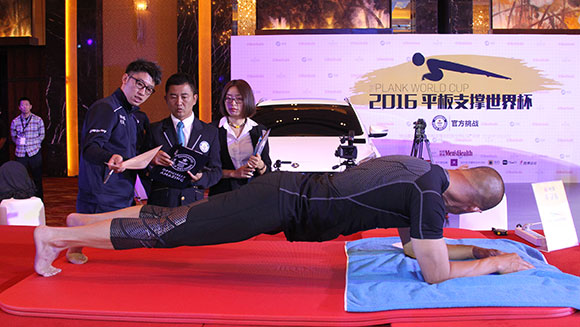
There are some basic exercises you can do to test and train your core strength at home. The Plank (pictured below) is one of the most basic exercises which can be used as a test, and also as an exercise to train part of your core. When done properly (a neutral pelvis is maintained during the exercise), it is a test of endurance of the superficial core muscles at the front of the trunk.
Another, more advanced exercise which also tests the strength and endurance of the superficial muscles at the front of the trunk is the Ab-Wheel Rollout (see below).
If you can complete 10 full repetitions while maintaining a neutral pelvis (very important!), you pass the test of strength in these muscles!