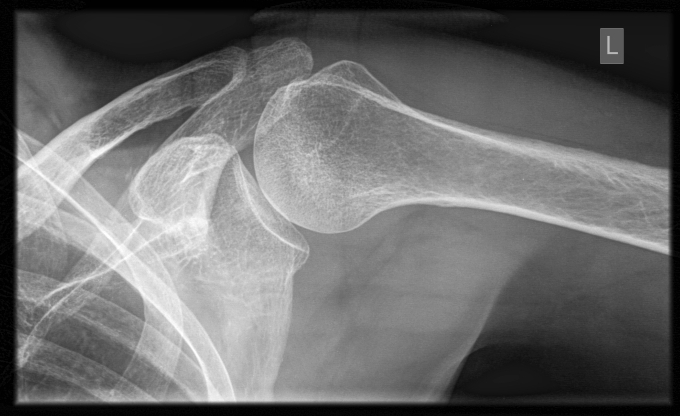
Common Causes of Shoulder Pain
The shoulder joint is a ball and socket joint often likened to a golf ball sitting on a golf tee.
The flat socket allows for great mobility, however as a trade-off, it lacks the stability seen in other joints around the
body such as the hip joint. This lends itself to certain conditions which can cause pain and restriction.
The shallow socket relies on cartilage surrounding its edges to increase its depth to improve stability. It
is also very reliant on the surrounding structures working optimally to maintain correct joint alignment.
Below lists the common causes of shoulder pain.
Although this is not an exhaustive list, it
does outline the more common conditions seen in the clinic.
Common causes of pain at the front and side of the shoulder
Common:
Bursitis (inflammation of the fluid-filled sac which reduces friction between the shoulder tendon and the bone)
Rotator cuff tendon pain (tendinopathy): inflammation or degeneration where the rotator cuff muscles (the muscles which surround the shoulder joint)
attach to the bone
Biceps tendon pain (tendinopathy): inflammation or degeneration where the bicep tendon crosses over the front of the shoulder joint
Shoulder dislocation/instability: when the head of the upper arm bone is forced out of the shoulder socket due to trauma.
This then stretches or tears the ligaments and joint capsule causing them to loosen, and damages the cartilage that surrounds the joint
Cartilage tear (labral tear): damage to the cartilage that surrounds the shoulder socket
Referral from the neck: inflammation or compression of the nerves which exit the spine at the neck back causing
pain along the path of that nerve
AC joint pain: pain in the joint between the collar bone and the shoulder-blade due to damage of
surrounding ligaments from acute trauma, or degeneration of the joint (osteoarthritis)
Less common:
Osteoarthritis of the shoulder: degeneration of the cartilage which lines the bones in the joint
Frozen shoulder: inflammation and stiffness of the joint capsule in the shoulder
Nerve entrapment: compression of the nerves as they run along their path to the muscles that they supply
Fracture
Common causes of pain at the back of the shoulder
Common:
Cartilage impingement/tear (Labral tear): damage to the cartilage that surrounds the shoulder socket
Shoulder instability/dislocation: when the head of the upper arm bone is forced out of the shoulder socket due to trauma.
This then stretches or tears the ligaments and joint capsule causing them to loosen, and damages the cartilage that surrounds the joint
Referral from the neck or middle back: inflammation or compression of the nerves which exit the spine at the neck back causing
pain along the path of that nerve
Muscle pain: excessive tightness or tension in the muscles causing pain
Less common:
Osteoarthritis of the shoulder: degeneration of the cartilage which lines the bones in the joint
Frozen shoulder: inflammation and stiffness of the joint capsule in the shoulder
Nerve entrapment: compression of the nerves as they run along their path to the muscles that they supply
Fracture
Physio for shoulder pain
Physio for shoulder pain will involve a thorough assessment to determine which structure is fault and
whether further investigation is necessary. We will then look closely at upper body posture, strength,
flexibility, mobility and control to determine why the problem occurred and how to stop
it from happening again. Common treatment modalities include:
Deep tissue massage and trigger point therapy
Shoulder, neck and middle back joint mobilisation
Spinal manipulation
Exercise therapy including prescription of strengthening, stretching and control exercises
Analysis of posture and throwing/lifting technique where relevant