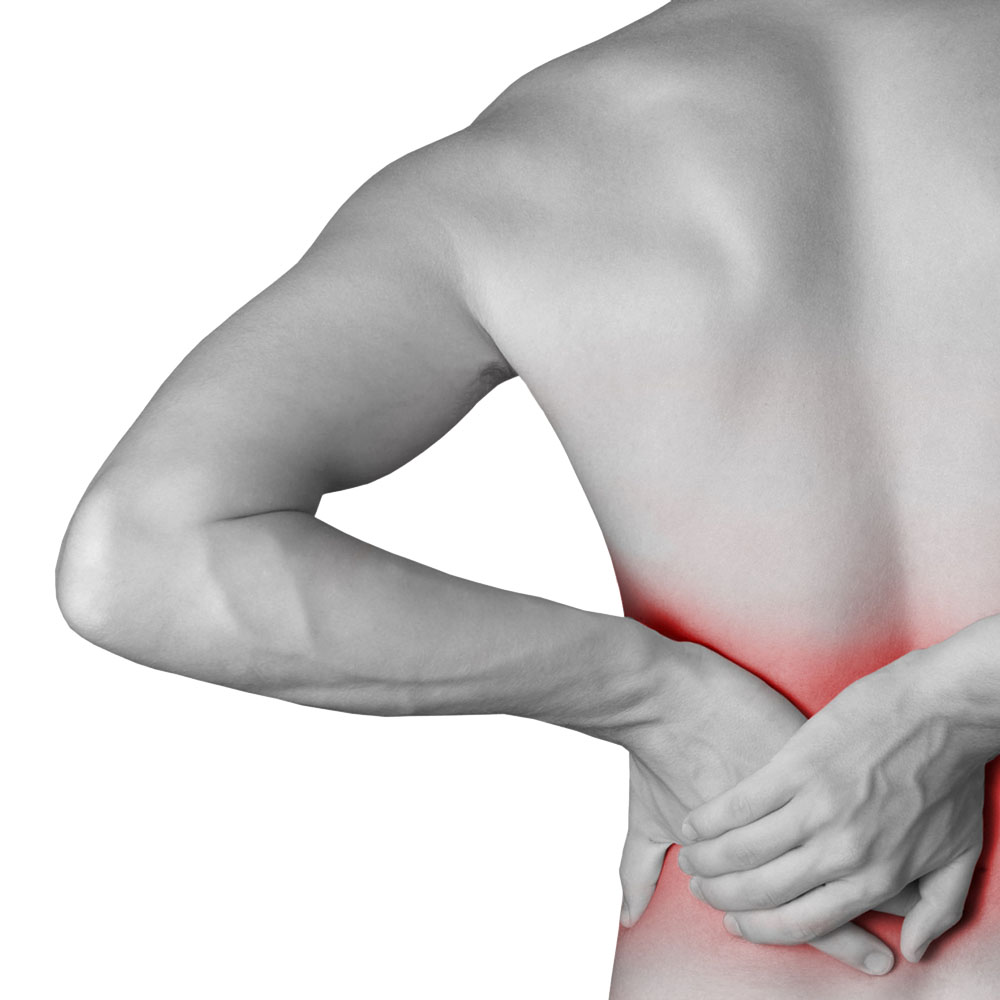
Common Causes of Low Back Pain
The low back is made up of 5 bones called lumbar vertebrae (L1 to L5), each of which are separated by discs and facet joints. The discs are made of a gel-like substance and function like shock-absorbers between each vertebrae. The facet joints are the joints in your spine which slide and flex, allowing you bend and twist freely. The nerves which stem from your spinal cord also exit from these joints. Each of these mentioned structures can be involved in conditions which cause restricted range of motion, local pain and referred pain/sciatica.
Injury to the low back can result from a clear incident, for example bending to lift a heavy object. This can cause either immediate pain and debilitation, or a delayed onset of pain often felt later that day or the next morning. Injury can also result from a seemingly innocuous task which may have been done countless times before, for example bending to put socks on in the morning. In either case, injury is usually contributed to by poor posture and lack of flexibility and strength, leading to increased strain on the lower back.
The most common causes of pain in the low back include:
Some of the most common contributing factors to low back pain include:
Physio for low back pain and sciatica:
Physio for low back pain and its potential nerve related symptoms (sciatica) will often involve a thorough assessment to identify the source of pain, and the contributing factors. This will include an analysis of posture, muscle flexibility and tone, muscle strength and control, and an ergonomic assessment of your work or home environment which may be predisposing to poor posture. A plan can then be created and implemented to address each contributing factor through hands-on treatment, postural advice and prescription of exercises. Some cases may require input from your GP regarding further investigations and treatments such as X-Ray, MRI or CT scan and injection therapy.