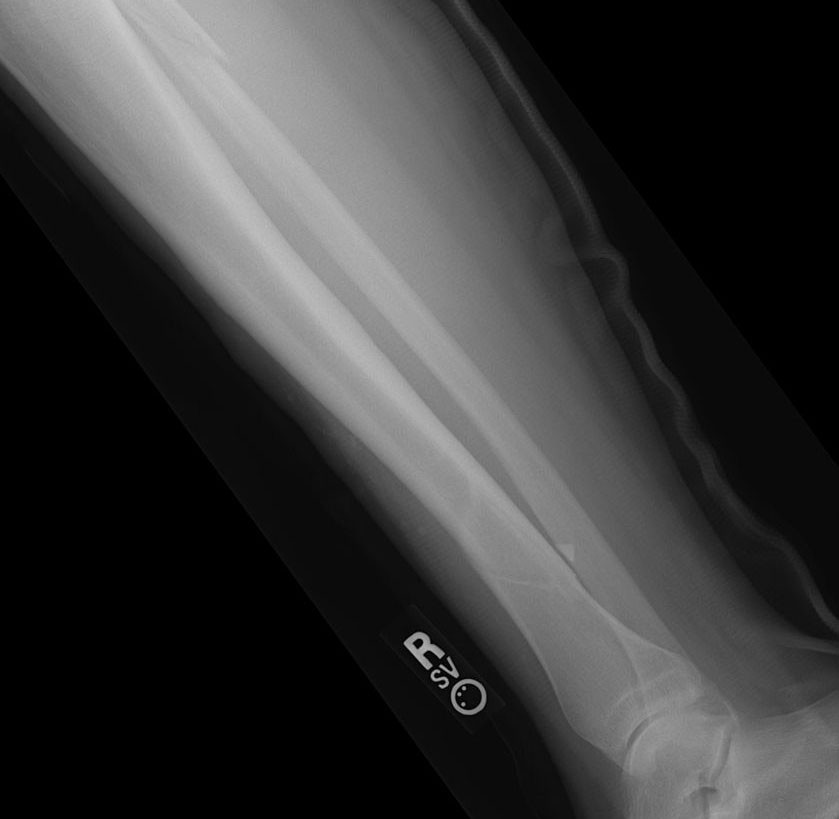
Common Causes of Leg and Heel Pain
The lower leg is made up of two bones, the tibia and fibula, which are joined together by strong ligaments at the ankle.
There are a number of conditions which can cause pain, including injury to the surrounding muscles and the bone itself.
One of the major muscle groups which run down the back of the leg, the calf muscles, attach themselves to the heel bone and
have an important function in controlling the ankle and propelling us forward when we walk or run. This heel area is a common
area of pain, usually due to the forces it is exposed to during sport.
Below lists the common causes of leg and heel pain.
Although this is not an exhaustive list, it
does outline the more common conditions seen in the clinic.
Common causes of pain towards the front and side of the leg
Common:
Shin splints (Medial Tibial Stress Syndrome or MTSS): inflammation of the lining of the bone and
sometimes the bone itself on the inside of the lower part of the shin
Chronic exertional compartment syndrome: increase in pressure within the muscle compartment in the front part of the leg causing
discomfort and pain, and sometimes pins and needles/numbness
Less common:
Stress fracture of the tibia: small cracks in the bone on the inside of the lower part of the leg, usually a progression
from shin splints
Fibula fracture: a break or crack in the bone on the outside of the leg due to trauma
Referred pain from the lower back: inflammation or compression of the nerves which exit the spine at the lower back causing
pain along the path of that nerve
Common causes of pain towards the back of leg and heel
Common:
Muscle strain: overstretching or tearing of the muscles in the back of the leg, most commonly calf
Achilles Tendon Pain (achilles tendinopathy): inflammation or degeneration where the calf muscle attaches to the back of the heel
Plantar Faciitis: inflammation or degeneration of the plantar fascia, the thick connective tissue which
runs from the bottom of the heel to the ball of the foot and acts to hold up the arch of the foot
Fat-Pad Bruising: bruising of the padding on the underside of the heel
Less common:
Referred Pain from the lower back: inflammation or compression of the nerves which exit the spine at the lower back causing
pain along the path of that nerve
Nerve entrapment: compression of the nerves as they run along their path to the muscles that they supply
Stress fracture of the heel: small cracks in the heel bone
Physio for leg or heel pain
Physio for leg or heel pain will involve a thorough assessment to determine which structure is fault and
whether further investigation is necessary. We will then look closely at lower limb posture, strength,
flexibility, mobility and control to determine why the problem occurred and how to stop
it from happening again. Common treatment modalities include:
Deep tissue massage and trigger point therapy
Ankle, foot and hip mobilisation
Analysis of foot posture and footwear
Video analysis of lower limb biomechanics, often including a running and jumping assessment
Exercise therapy including prescription of strengthening, stretching and control exercises