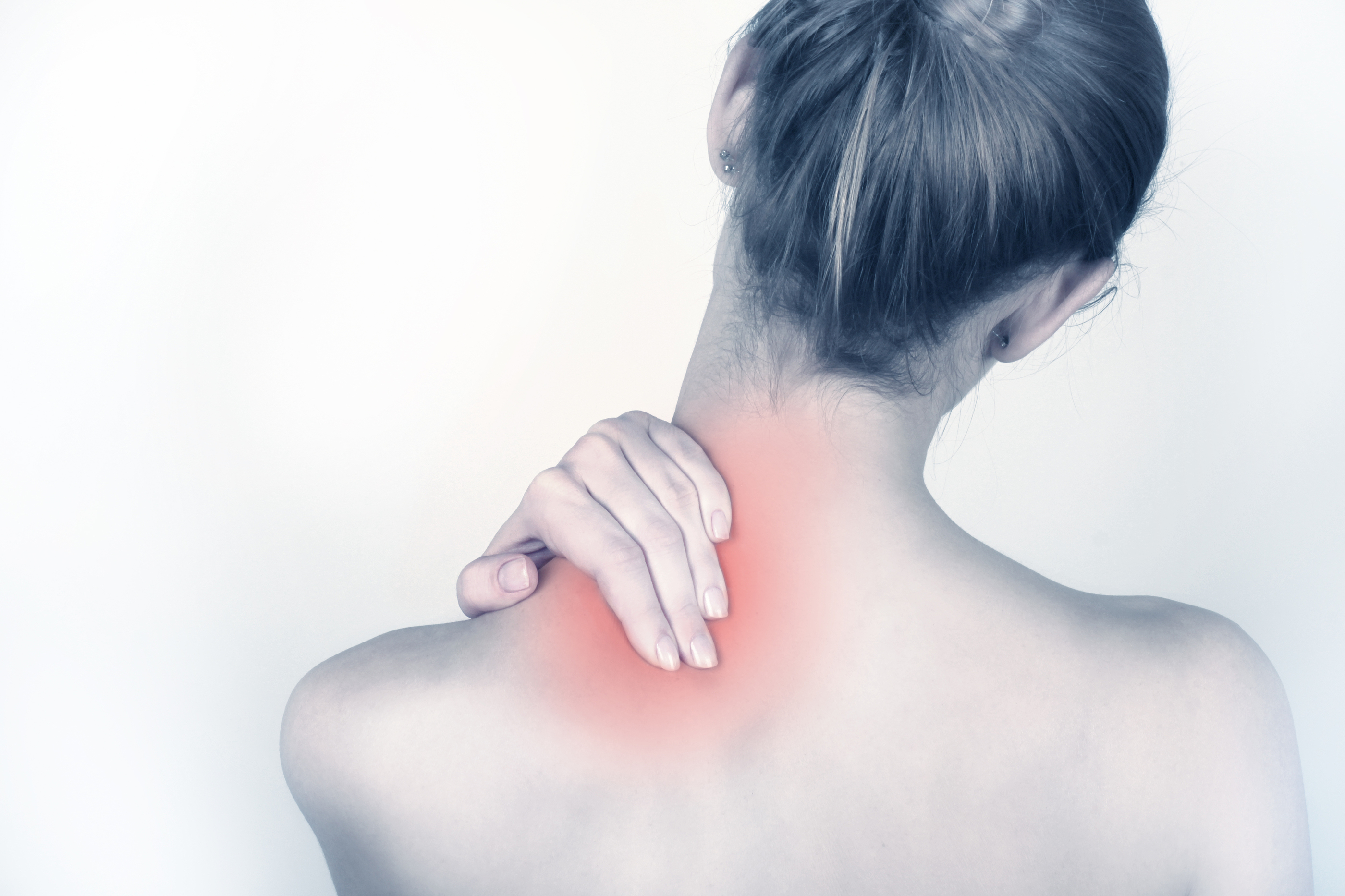
Common Causes of Neck Pain and Headaches
The neck is made up of 7 bones called cervical vertebrae (C1-C7), each of which are separated
by discs and facet joints. The discs are made of a gel-like substance and function like shock-absorbers
between each vertebrae. The facet joints are the joints in your spine which slide and flex, allowing you to
move your head and neck freely. The nerves which stem from your spinal cord also exit from these joints.
Each of these mentioned structures can be involved in conditions which cause local and referred pain,
restricted range of movement and headaches.
The two most common mechanisms causing pain and dysfunction are trauma and poor posture. Injury from trauma
is most commonly seen in high impact sports and car accidents, and sometimes from a trip or fall. Postural
related problems are often seen in those working in desk jobs where individuals are sitting in sustained postures for long
periods of the day.
Common Causes of Neck Pain
Wry neck involving the facet joints: inflammation or 'locking' of the joints in the neck causing pain and
restricted range of movement
Disc injury: inflammation, bulge or herniation of the discs which sit between each vertebrae causing pain and potentially
inflaming or compressing the exiting nerves from the spinal cord
Nerve root inflammation or compression: inflammation or compression of the nerves where they exit the spine
causing pain, numbness, tingling, weakness and/or loss of reflexes in the arms and hands
Postural pain: pain from the neck, shoulder and middle back muscles resulting from sustained poor posture
Muscle and/or ligament strain including whiplash: overstretching of the ligaments and joints in the neck from
a whiplash event
Degenerative joint disease: degeneration or loss of 'cushioning' of the discs between each vertebrae and degeneration
of the facet joints causing restricted range of movement and sometimes pain
Physio for neck pain:
Physio for neck pain will often involve a thorough assessment to identify the source of pain,
and the contributing factors. This will include an analysis of neck and shoulder posture,
muscle flexibility and tone, muscle strength and control, and an ergonomic assessment of
work or home environments which may be predisposing to poor posture. A plan can then be created
and implemented to address each contributing factor through hands-on treatment,
postural advice and prescription of exercises.
Headaches
There are many different types of headaches. The different types have been generalised here into
four different categories listed below, each requiring a slightly different approach in regards to treatment.
This list however does exclude causes from more sinister pathology such as brain
tumors and stroke.
Cervicogenic: caused by irritation of nerves which exit the spine and run through the
muscles towards the back of the neck. This type of headache usually responds well
to massage, mobilisation and postural correction.
Tension: similar to cervicogenic, caused by muscle tension influencing the nerves
towards the back of the neck. This type of headache also usually responds well
to massage, mobilisation and postural correction.
Cluster: the physiological cause of this headache is unknown.
It is known for causing excruciating pain which is
one sided and has a rapid onset of symptoms lasting between 15 minutes to 3 hours.
Bouts of frequent attacks often occur, known as cluster periods, and may last from weeks to months. This is then
usually followed by long periods of relief (remission).
Treatment often involves identifying and addressing
any potential contributing factors which may act as triggers such as stress,
alcohol, certain types of foods and smells, poor posture and muscle tension.
Migraine: the source of symptoms are still yet to be discovered, however migraines are believed
to be related to a temporary impairment in neurovascular function causing altered blood flow, nerve function and
chemical balance in the brain. Migraines often show warning signs prior to onset (called an aura),
which consist of visual disturbances and changes in smell. This then progresses to pain,
throbbing, nausea and sensitivity to light. Treatment often involves medication as prescribed by your doctor, and
identification and elimination of triggers. Some common triggers
include hormonal changes, certain foods or smells, stress, poor posture, muscle tension and dehydration.
Exertion Headaches are another type of headache worth mentioning due to their incidence amongst active individuals.
They are triggered by activities that involve increasing the pressure in the chest and abdomen, such as heavy lifting.
Exertion headaches begin during or shortly after the provoking activity,
and usually last seconds to minutes. With repeated exertion, the intensity may build and become longer in duration. It is advisable to see your
doctor if such symptoms arise to rule out more sinister, serious pathology. Once the diagnosis of exertion headache has been made,
treatment involves rest from physical activity for at least one week to allow all signs and symptoms to subside before a gradual
re-introduction of activity.