Common Causes of Hip and Groin Pain
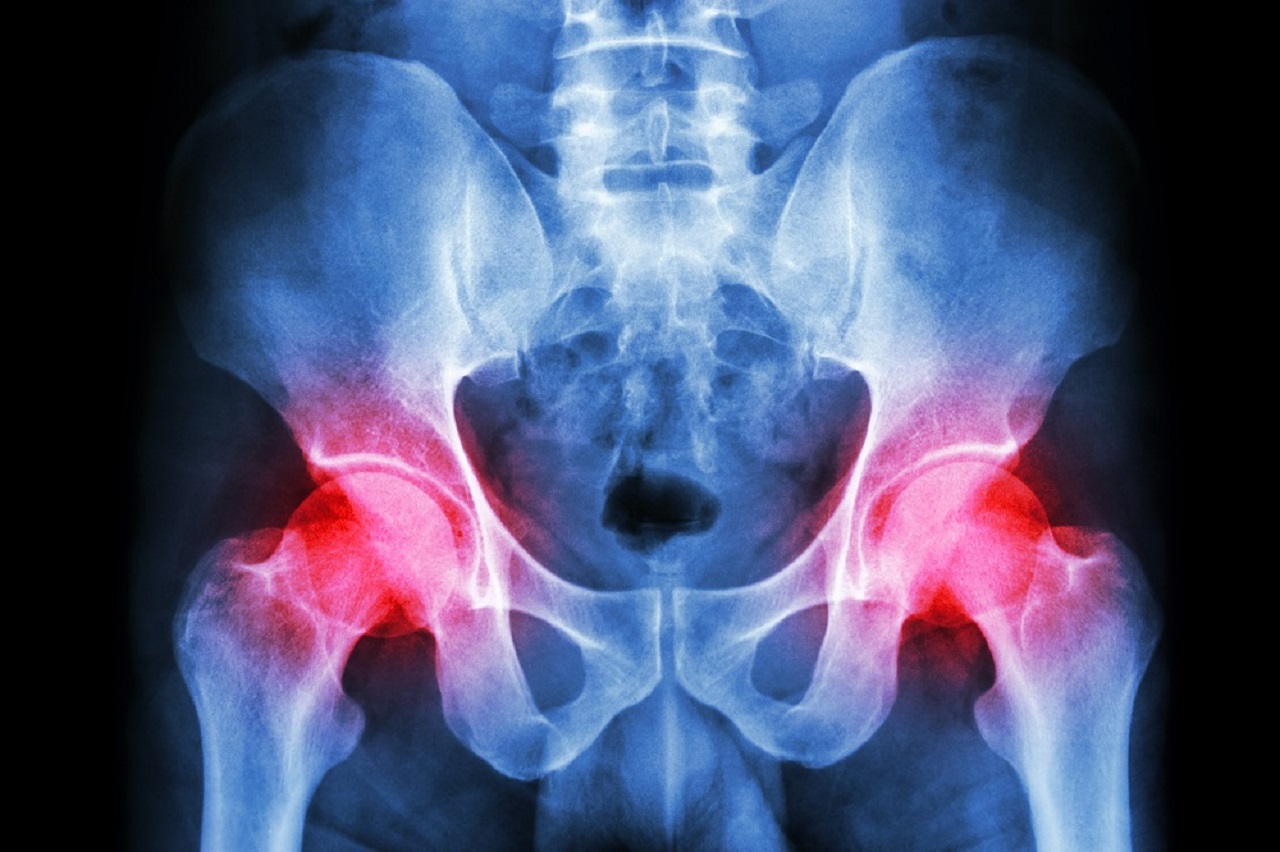
The hip joint is a large ball and socket joint built for stability. The ball is enclosed
by a deep bony socket, which is further deepened by thick cartilage which surrounds its edges.
There are many conditions of the hip joint and its surrounding structures
which can cause pain and restriction, including the cartilage, the surrounding
ligaments and muscles, and even the bone itself.
The area of pain often gives us a clue as to the possible structures at fault,
and whether they are due to the hip, its surrounding structures, or even referred from another body
area such as the lower back.
Below lists the different areas of pain and the possible structures at fault.
Although this is not an exhaustive list, it
does outline the more common conditions seen in the clinic.
Common causes of pain at the front of the hip and into the groin
Common:
Hip joint impingement (Femoroacetabular Impingement or FAI): extra bone grows along one or both of the bones that form the hip leading
to pinching of these two bones when the leg is placed in certain positions
Hip labral tear: tear to the cartilage which lines the joint
Osteoarthritis of the hip: degeneration of the cartilage which lines the bones in the joint
Hip flexor bursitis: inflammation of the fluid-filled sac which reduces friction between the hip flexor tendon and underlying ligaments
Adductor and/or abdominal tendon pain (tendinopathy): inflammation or degeneration where the adductor muscle attaches to the bone (the tendon)
Muscle injury (adductors, hip flexors, abdominals): over-stretching or tearing of the muscle fibres causing pain
Other abdominal related pain (e.g. inguinal canal pain/laxity)
Less common:
Referred pain from the lower back: inflammation or compression of the nerves which exit the spine at the lower back causing
pain along the path of that nerve
Hip ligament tear: tear of the ligament inside the hip joint (ligamentum teres)
Inguinal hernia: fatty or intestinal tissues push through the inguinal canal, often due to a genetic weakness in the abdominal wall
Common causes of pain at the side of the hip
Common:
Referred pain from the lower back: inflammation or compression of the nerves which exit the spine at the lower back causing
pain along the path of that nerve
Glute tendon/bursa pain: inflammation or degeneration where the glute muscle attaches to the hip bone and/or inflammation of the fluid-filled sac (the bursa)
where it sits between the glute tendon and the hip bone
Osteoarthritis of the hip: degeneration of the cartilage which lines the bones in the joint
Less common:
Referred pain from the lower back: inflammation or compression of the nerves which exit the spine at the lower back causing
pain along the path of that nerve
Common causes of buttock pain
Common:
Lower back referral: inflammation or compression of the nerves which exit the spine at the lower back causing
pain along the path of that nerve
Sacroiliac joint disorder: pain in the joints between where the sacrum (the triangular bone which sits at the base
of your spine) meets the pelvic bones (the ilia)
Hamstring tendon/bursa pain: inflammation or degeneration where the hamstring muscle attaches to the hip bone and/or
inflammation of the fluid-filled sac (the bursa)
where it sits between the hamstring tendon and the hip bone
Osteoarthritis of the hip: degeneration of the cartilage which lines the bones in the joint
Less common:
Piriformis conditions: tightness in the piriformis muscle which either causes pain or compresses
the sciatic nerve which causes buttock and/or leg pain
Stress fractures
Physio for hip and groin pain
Physio for hip and groin pain will involve a thorough assessment to determine which structure is fault and
whether further investigation is necessary. We will then look closely at posture, strength,
flexibility, mobility and control to determine why the problem occurred and how to stop
it from happening again. In the case of athletes having trouble with hip and groin pain, often training load has a
large impact. An effective treatment plan in athletes with hip and groin pain must consider and plan overall
training load (e.g. how often and how hard you train in your recovery to return to play).
Common treatment modalities include:
Deep tissue massage and trigger point therapy
Hip joint, spine and ankle mobilisation
Spinal manipulation
Assessment and appropriate correction of running, sprinting and jumping/landing technique
Exercise therapy including prescription of running, sprinting,
strengthening, stretching, balance and control exercises