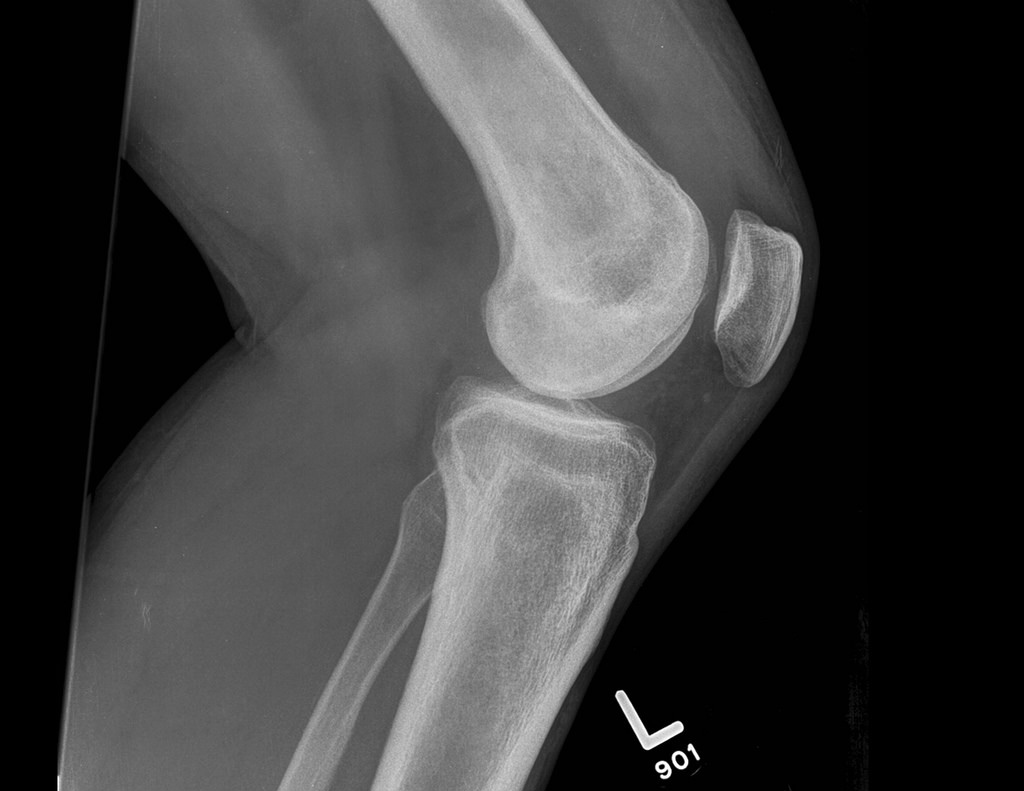
Common Causes of Knee Pain
The knee is be divided into two parts, the joint between the upper and lower leg (the femur and tibia),
called the tibiofemoral joint, and the joint between the upper leg and the knee cap (the femur and patella),
called the patellofemoral joint.
Both of these joints can be vulnerable to injury, with each often displaying their own distinct pattern
of signs and symptoms.
Below is a list of the most common causes of knee pain specific to each joint.
Although this is not an exhaustive list, it
does outline the most common conditions seen in the clinic.
Common causes of tibiofemoral joint pain
Common:
Meniscus tear: tear to the cushion like padding which helps to shock-absorb within the joint
Injury to the major stabilising ligaments including the Anterior Cruciate Ligament (ACL),
Medial Collateral Ligament (MCL),
Lateral Collateral Ligament (LCL) and Posterior Collateral Ligament (PCL)
Joint capsule sprain: overstretching of the fibres that enclose the knee joint
Joint articular cartilage damage: damage to the padding which covers the end of bones
Osteoarthritis of the tibiofemoral joint: degeneration of the cartilage which lines the bones in the joint
Bone bruising: bruising to the bone caused by acute traumatic injury
Less common:
Osteochondritis Dissecans: cartilage/bone damage seen in children/adolescents
Fracture
Common causes of pain in the patellofemoral joint and its surrounding structures
Common:
Patella (kneecap) maltracking: pain due to the kneecap not tracking smoothly within its groove causing irritation to
its underside
Chondromalacia Patellae: cartilage damage to the padding which covers the underside of on the kneecap
Patella tendon pain (patella tendinopathy): inflammation or degeneration at the bottom of the kneecap where the patella tendon is attached
Quadricep tendon pain (quadricep tendinopathy): inflammation or degeneration where the thigh muscle attaches to the kneecap
Fat-pad impingement: inflammation and catching of the spongy cushion-like substance which sits below the kneecap
Bursitis: inflammation and swelling of the fluid-filled sac which sits between the skin and the kneecap
Osteoarthritis of the patellofemoral joint: degeneration of the cartilage which lines the bones in the joint
Less common:
Quadricep or Patella Tendon Rupture: complete tear of the quadricep or patella tendons
Patella Dislocation: when the kneecap is pulled completely out from its groove within the femur
Patella Ligament Injury (Medial Patellofemoral Ligament): damage to the ligament which holds the kneecap in place, often
caused by a patella dislocation
Physio for knee pain
Physio for knee pain will involve a thorough assessment to determine which structure is fault and
whether further investigation is necessary. Lower limb posture, strength,
flexibility, mobility and control should then be closely examined to determine why the problem occurred and how to stop
it from happening again. Common treatment modalities include:
Deep tissue massage and trigger point therapy, dry needling
Knee, hip and ankle mobilisation
Analysis of foot posture and footwear
Video analysis of lower limb biomechanics, often including a running and jumping assessment
Exercise therapy including prescription of strengthening, stretching and control exercises