What is shoulder bursitis and how can you fix it?
Most people will experience shoulder pain at some point in their lives. There are many potential causes of shoulder pain, with one of the most common being shoulder bursitis.
What is shoulder bursitis?
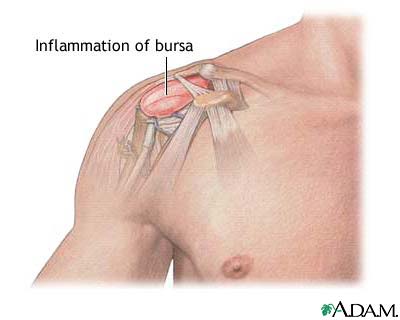
A bursa is a fluid filled sac which functions to reduce friction between two surfaces in the body. Bursae are often located adjacent to tendons near large joints. In the shoulder, a bursa sits under the acromion (part of the shoulder-blade), giving rise to its name, 'sub-acromial bursa'. When this sub-acromial bursa becomes inflamed, it causes pain and movement restriction and is often termed 'shoulder bursitis'.
How do I know bursitis is the cause of my pain?
- Shoulder bursitis is the most common cause of shoulder pain, however there are many other causes of shoulder pain to be aware of,
with some of the more common including:
- Rotator cuff injury (this often co-exists with bursitis)
- Frozen shoulder
- Referred pain
- Labral tear
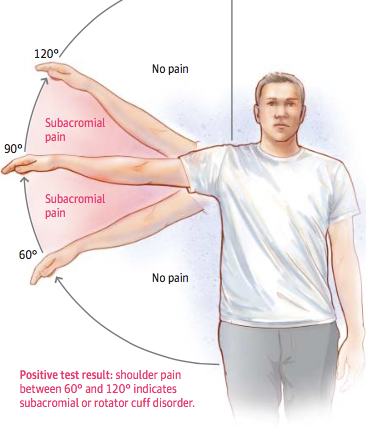
- An arc or catch of pain when lifting the arm overhead (see picture below). This can indicate a subacromial source such as the bursa (or rotator cuff).
- Pain located on the outside of the shoulder, at the very top of the arm
- Pain with overhead activities
- Pain when lying on the affected side
To distinguish between different causes of shoulder pain, a thorough physical assessment is needed. In some cases, this may include referral for an ultrasound scan, x-ray or MRI. There are some clues however which many indicate bursitis as the potential cause, including:
What causes bursitis?
Shoulder bursitis (inflammation of the subacromial bursa) is caused by increased stress on the bursa, often due to impaired function of the muscles and joints of the shoulder. The shoulder is a complex joint which relies on the strength, control and flexibility of the surrounding muscles to adequately control the joint for efficient movement. If this control is lost, it can cause an increased amount of force on the bursa which causes it to become inflamed.
- 3 common contributing factors to shoulder bursitis:
- Impaired function of the rotator cuff muscles (weakness, tightness)
- Impaired function of the muscles controlling the shoulder-blade (weakness, lack of control)
- Shoulder joint hypo-mobility (overly stiff) or hyper-mobility (overly flexible)
- Poor posture. Read more about this by clicking here
Can these problems be fixed?
All of these problems can be fixed with appropriate treatment, exercises, postural correction and activity modification! Your recovery shoulder start with a thorough physiotherapy assessment to identify which of the above factors are relevant to you. Once each factor has been identified, a treatment plan can be created which incorporates strengthening and stretching exercises, postural advice (click here to read more about this) and advice regarding activity modification.